
2024 Annual World Congress of Neurotalk (NT)
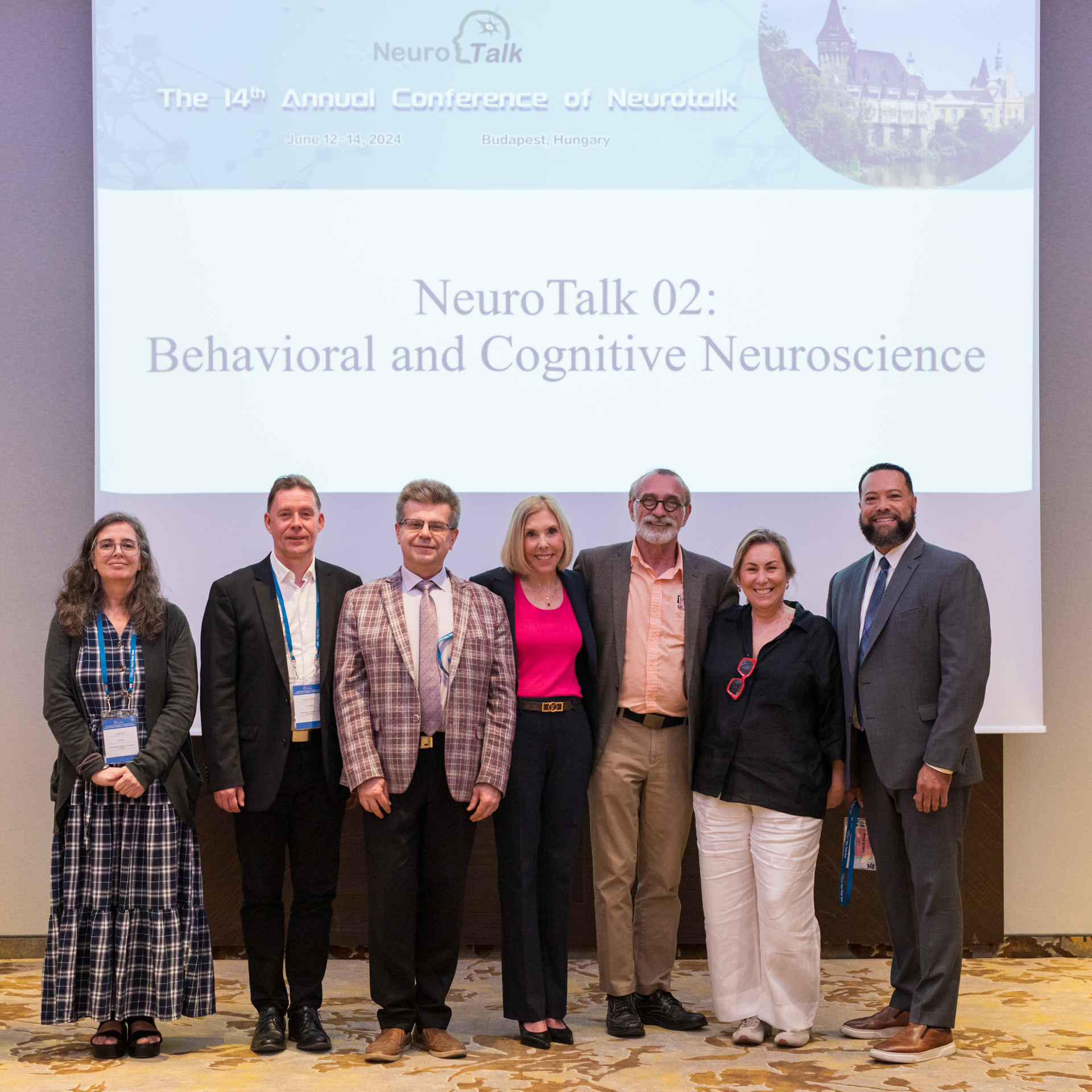
World High Tech Society
Budapest, Hungary
June 14, 2024
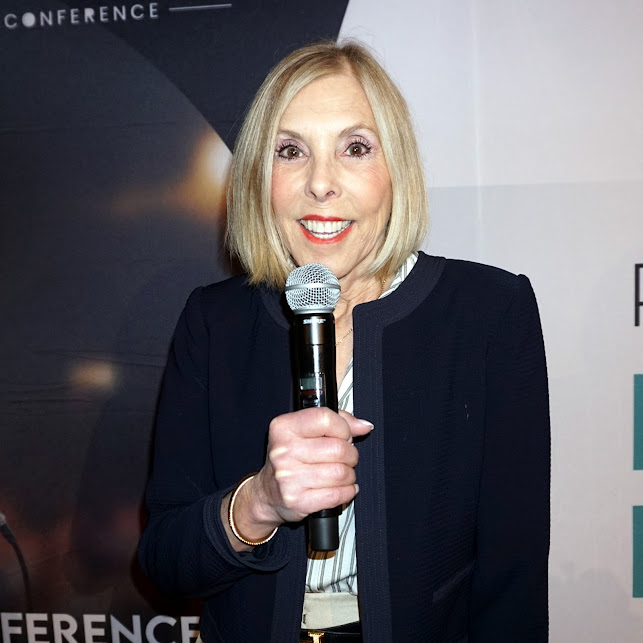
Keynote Speaker – Decision Making
Topic: The Experience of Organizational Leaders with Decision-Making in a Crisis
1,000 participants from more than 50 countries and regions in its previous 13 iterations, focuses on research, advanced technology, and clinical application in neuroscience
2022 Inaugural Symposium on Mental Health, PTSD & Suicide Prevention
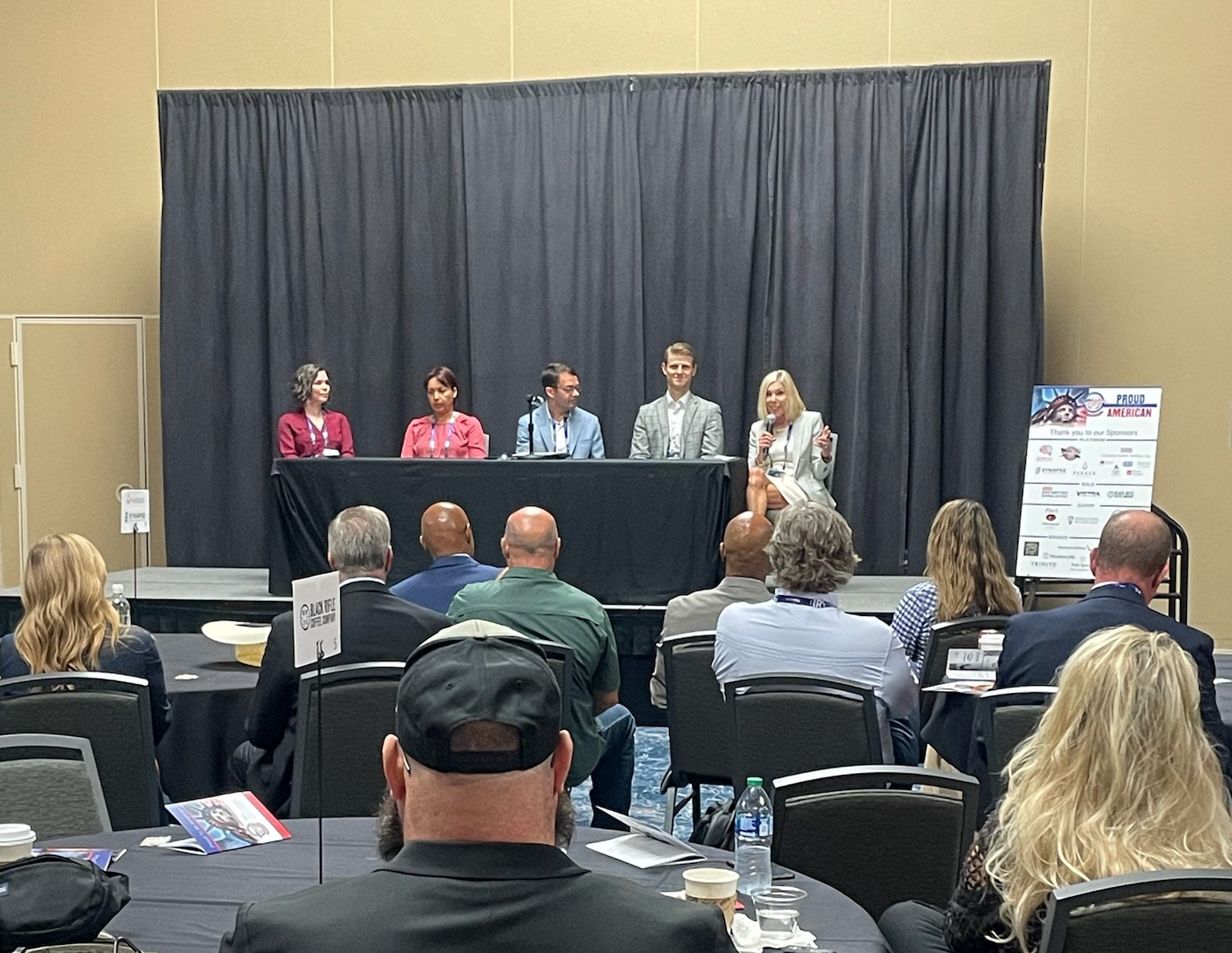
Irving Convention Center
Las Colinas, TX
Sept. 30, 2022
Panel 2 Speaker – Healthcare Providers
Topic: Connecting brain health and mental health stakeholders from various sectors to better understand the mental health challenges affecting many within the community while providing a framework for addressing the issues.
Health 2.0 Conference
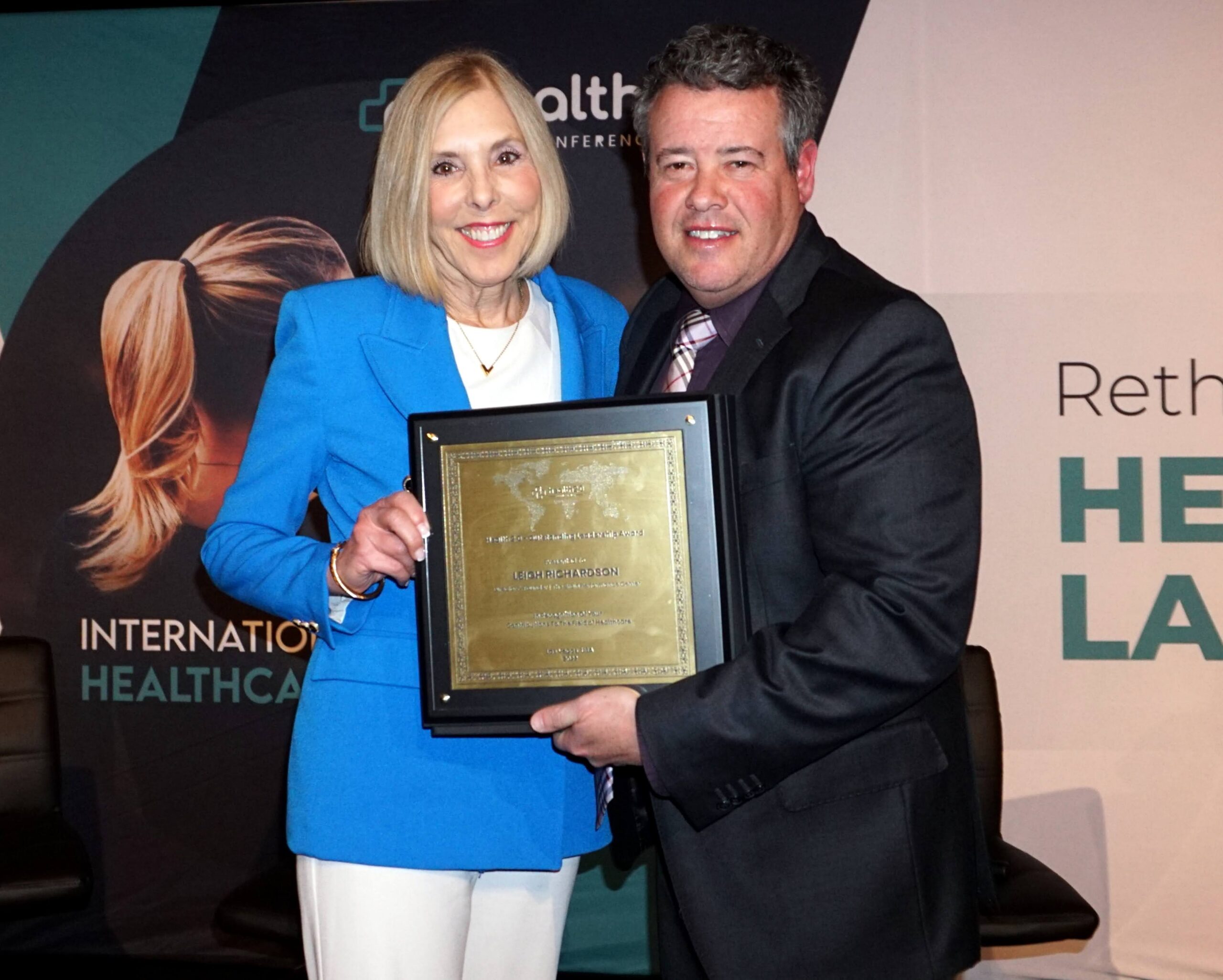
The Mirage
Las Vegas, NV
April 11-13, 2022
Awardee – Outstanding Leadership in Healthcare
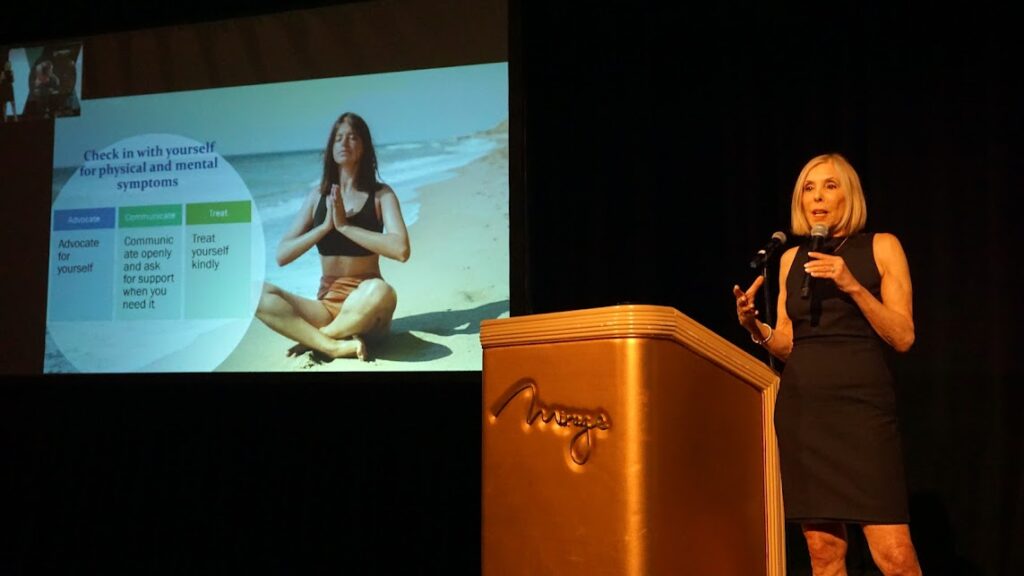
KeyNote Speaker – How Frontline Workers Can Cope with the Stress of Covid-19
Health 2.0 Speaker Website
Video on YouTube

International Conference on Neuroscience and Psychiatry
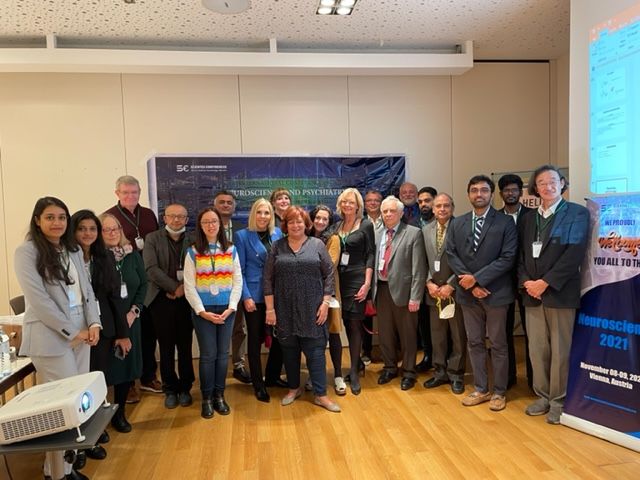
Vienna, Austria
November 8-9, 2021
Invited Speaker in International Conference on Neuroscience and Psychiatry in Vienna, Austria, Nov. 8-9, 2021 with talk: Move Over Mental Health, Brain Health Has Arrived.
Brain Health – Big Ideas, Small Business TV with Doreen Milano
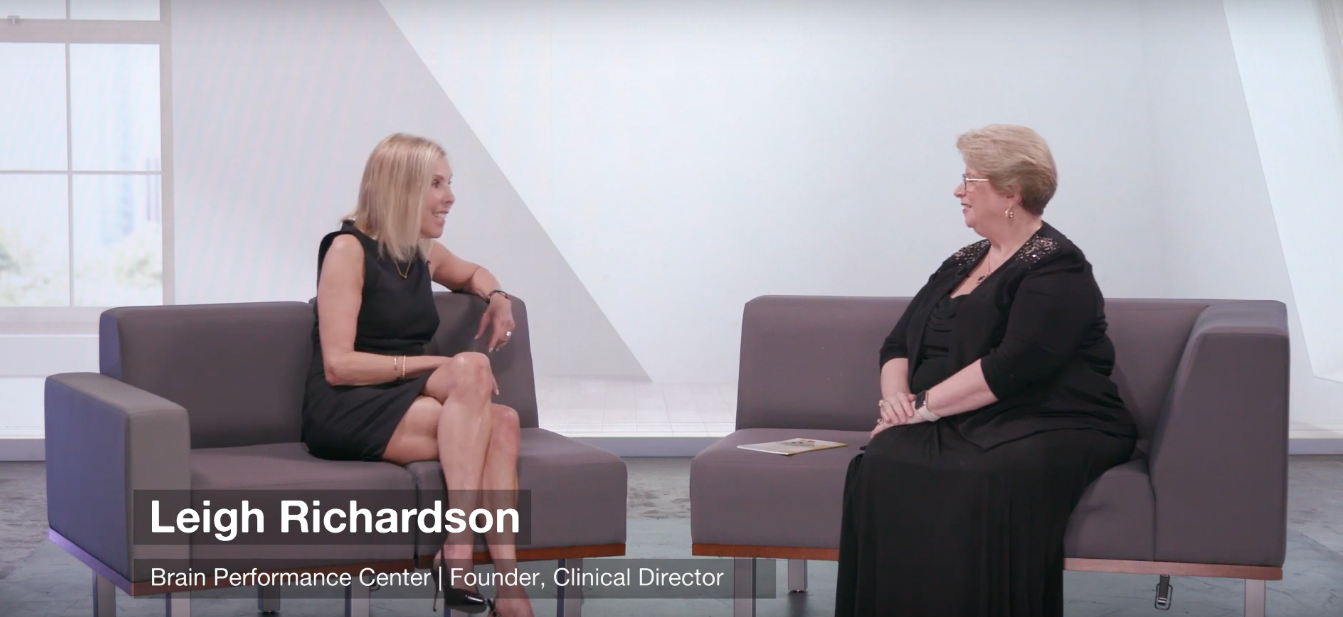
2021
Invited Guest in Big Ideas, Small Business TV with Doreen Milano
Listen on Spotify
Watch on YouTube
International Forum on Advancements in Healthcare

Las Vegas, USA
June, 2021
Invited Panelist in International Forum on Advancements in Healthcare, Las Vegas, June, 2021 with talk: Controversy Regarding Antidepressants and Placebo –
Who To Treat When?
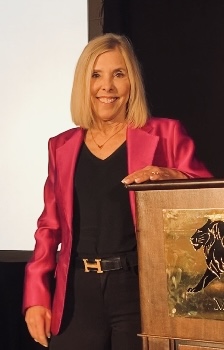
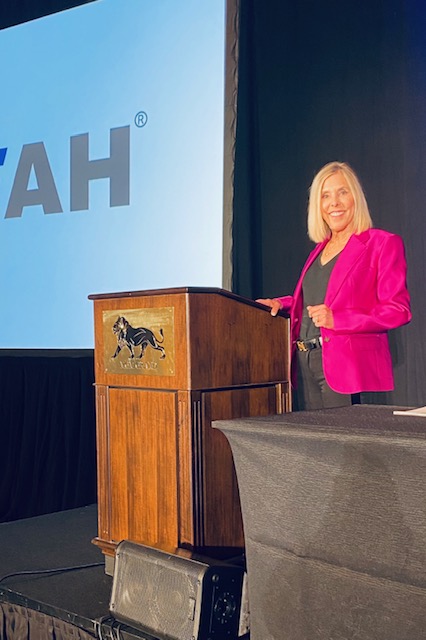
Click the + button to expand the topics below that reflect the trends in Leigh Richardson’s recent engagements.
After two years of remote work brought on by the COVID-19 pandemic, more than two-thirds of workers say they’re concerned about returning to the office, according to a recent survey. Even though returning to the office may come with benefits like increased productivity, less loneliness, and firmer boundaries between work and home life, many employees find the uncertainty unsettling and this can lead to rising stress levels. No wants staff standing around trading COVID woes. What do you say to someone you haven’t seen in over a year and didn’t like them then? Connecting with your coworkers on the flip side of a pandemic is important to build the strength of the company to power forward. Leadership can help employees and management maintain a positive outlook, help their staff set personal boundaries, and institute self-care policies that can help ease anxieties about returning to the office. Every time we talk to each other there is brain-to-brain communication that can make or break your success. Learn how to create “neural entrainment” and use brain-coupling to share information and create a positive environment for whole-company growth.
Creating a post-covid positive culture within your corporate environment has specific challenges never before faced by current management. The best strategic planning in the world cannot compete with a negative or defeating corporate culture. At the end of the day, culture is your company’s DNA – it’s what your people stand for and believe in. What your employees think when they walk in the door is your cultural truth.
Misalignment and turnover are the by-products of a negative culture that will cost you time and money. How we recreate and nurture the emotional bonds with employees and leadership that were there before COVID is your solution. Learn how to reduce anxiety, implement visible self-care opportunities, and created positive brain-to-brain connections for whole-company improvement. Right engagement and structured passion applied in the proper direction will cause your corporate culture to supercharge your strategic vision- and not eat it for breakfast.
Did you know that neuroscience supports good writing? Through neurobiology and psychology we can see exactly how the brain responds to words, phrases and stories. Good writing gets the reader’s dopamine flowing in the reward circuit in the brain. Classic writing advice is “keep it simple” and by doing so it increases the processing and doesn’t require too much brainpower to understand your meaning. When we read emotionally charged material our autonomic response is to react emotionally and this impacts our decision making and ability to execute. Simply put- you need to know how to communicate to get results. Learn the different tools you can use to engage your audience and trigger the neural responses that you want-whether it is getting employees happily back in the office, or creating positive game-changing solutions that will power your business forward.
Do you find there is an ongoing debate about direction? Does it take a long time for you or your team to make decisions and adapt your approach as the workforce returns to the office? For companies to thrive we must change and continue to adapt. The brain’s job is survival, our brain is wired to protect us and it doesn’t like change. Our brain is wired for negativity and it increases our chance of survival. We need to calm the brain down and focus when challenged by uncertainty. We are gearing up for a transition back into the workplace and we need to develop our own insights about why change is needed. You can teach your brain to change using visualization, meditation, and building resilience. Focus on what you can control, learn to be present and intentional and watch your change-ability power through.
It will likely be months before the data provides a clear picture of this post-COVID-19 “brain fog,” but experts suspect that the stress of navigating COVID-19 coupled with the virus’s physical toll on the body is resulting in a significant cognitive hit for a subset of patients.
Cognitive symptoms, such as slow thinking, difficulty concentrating and fatigue have been reported months after the virus has run its course.The problem is there’s no diagnostic test for “brain fog,” and the condition isn’t visible on brain imaging exams. What is also trending is employees who haven’t technically “had a bad case” or even had the virus are reporting the same symptoms. This is likely due to the relentlessly demanding stressors from the pandemic. Regardless of the cause, the symptoms many employees are suffering from are the same post-COVID-19 cognitive impairments: Headaches, Dizziness, Fatigue, Decreased attention span, Memory loss, and Poor executive function. Learn how to reduce these symptoms as a group both at home and in the office to reduce sick days, momentum loss and productivity drain.
Leigh Richardson’s Speaking Topics
- Anxiety
- Brain Injury
- Building Resilience
- Building Confidence
- Depression
- Executive Function
- Fear
- Positive Psychology
- Self Care
- Stress Management

Leaving Its Mark on a Neurobiological Level
Invited Speaker to 10th Global Summit on Neuroscience and Neuroimmunology, Paris, France, 2020.
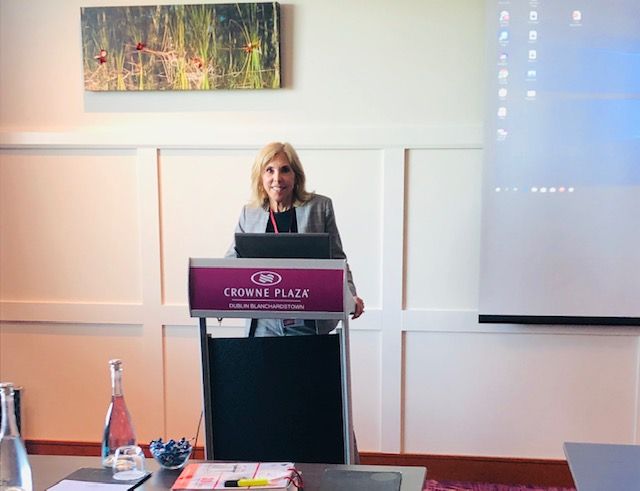
The Power of a Neurocognitive Perspective
Invited Speaker to 4th Annual Conference on Brain Disorders, Neurology and Therapeutics, Dublin, Ireland, 2019.
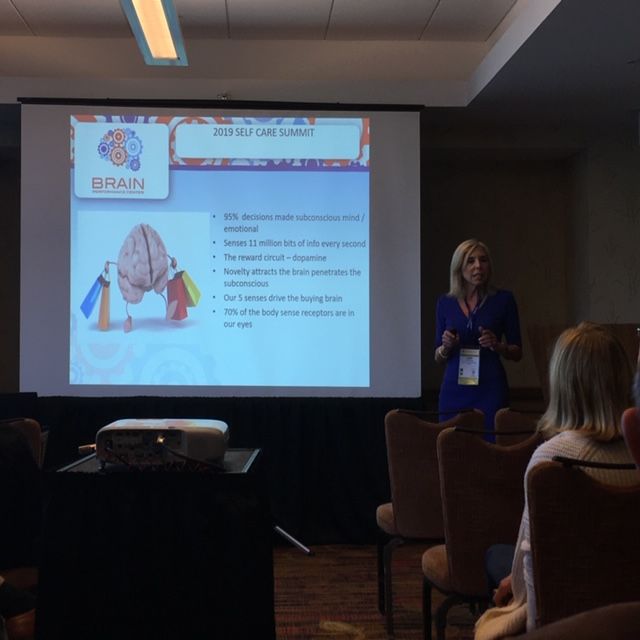
Education Seminar about Traumatic Brain Injury.